
Tile vs. Composition Shingle: How Roof Cleaning Differs (and Why It Matters)

Brad Bailey · Co-Owner & Operations Manager
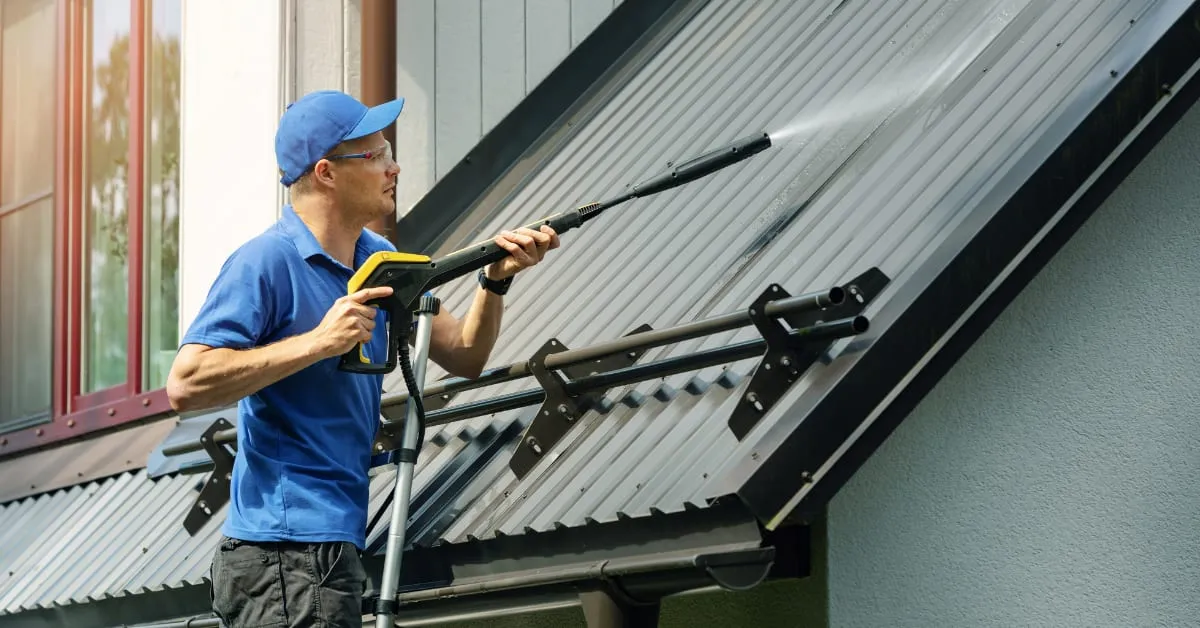
Drive through the Sacramento region and you’ll see the two roofs that cover almost every home here: composition shingle on the older and mid-range housing, and concrete or clay tile on the newer subdivisions that have gone up around the suburbs. They’re very different materials — and cleaning them well means treating them very differently.
After 15+ years on roofs across the area, here’s the part that trips up homeowners and bargain cleaners alike: the method that’s fine for one can quietly wreck the other. Here’s how we approach each, and why the differences matter for the life of your roof.
Why your roof material changes the whole job
The two roofs fail in opposite ways when they’re cleaned carelessly. A composition shingle roof is relatively walkable but has a protective surface you can destroy. A tile roof is tougher-looking but brittle and risky to walk. One demands a light touch on the surface; the other demands a light touch on the footing. Get those backward and you pay for it — either in a roof that ages fast or in cracked tiles you now have to replace.
What they share is the enemy: the same Gloeocapsa algae streaks and north-slope moss grow on both, and both need those killed at the root rather than rinsed off. More on that in removing black streaks and moss from your roof.
Cleaning composition shingle: protect the granules
Those tiny mineral granules on an asphalt shingle are the roof’s armor against UV and weather. Lose them and that section ages faster and fails sooner. So with shingle, the whole game is cleaning without disturbing the surface:
- No high pressure, ever. A pressure washer strips granules by the handful and can void your shingle warranty. Shingle roofs get a low-pressure soft wash.
- Treatment does the work. A roof-safe cleaning solution kills the algae and moss so it releases and rinses gently — no scrubbing, no blasting.
- Careful foot traffic. Shingle is walkable, but hot or aging shingle scuffs, so it’s walked carefully and only where needed.
We get into the pressure question in depth in soft washing vs. pressure washing a roof — it’s the single most important thing to get right on a shingle roof.
Cleaning tile: respect the breakage and the walkability
Concrete and clay tile is common on the newer subdivisions around Roseville, Folsom, and El Dorado Hills, and increasingly out toward Granite Bay. It’s durable against weather but surprisingly fragile underfoot — older tile especially cracks under careless weight, and a single stray step in the wrong spot means a broken tile.
So tile changes the approach:
- Walkability first. There’s a right way to move on tile — on the strong points, or not at all — and a lot of tile is best treated from the edges and ladders rather than walked.
- Still low pressure. High pressure chips edges and cracks tile, and drives water up under the courses where it doesn’t belong. Tile gets the same soft-wash treatment, just applied with the breakage risk in mind.
- Mind what’s underneath. The underlayment beneath tile is what actually keeps water out, so nothing about the cleaning should push water past it.
Different risk, same principle: let the treatment clean the roof so the roof never takes any abuse.
The “sealing your roof” myth
Homeowners often ask us to “seal” the roof after a cleaning, usually after seeing it pitched online. Be skeptical. There’s no treatment that makes a Sacramento roof permanently immune to algae and moss — spores are in the air and the trees aren’t going anywhere. On tile especially, the wrong coating can trap moisture or interfere with how the roof is designed to breathe and drain. The thing that genuinely keeps a roof clean longer isn’t a sealant; it’s killing the growth at the root and staying on a sensible cleaning rhythm. Our complete guide to professional roof cleaning lays out what actually works.
The bottom line
Tile and composition shingle are different roofs with opposite weak points — shingle you can strip, tile you can crack — so cleaning them well means adjusting the method to the material. What stays constant is low-pressure soft washing that kills the algae and moss at the root, careful handling matched to the roof type, and skipping the sealant gimmicks. The right approach cleans your roof and protects it; the wrong one just costs you later.
Not sure what your roof needs? Learn more about our professional roof cleaning service, or get in touch for a free quote and we’ll tailor the job to your exact roof — tile, shingle, or otherwise.
Get a Free Estimate
Ready to see what a professional clean can do for your property? Get your no-obligation quote today.
